
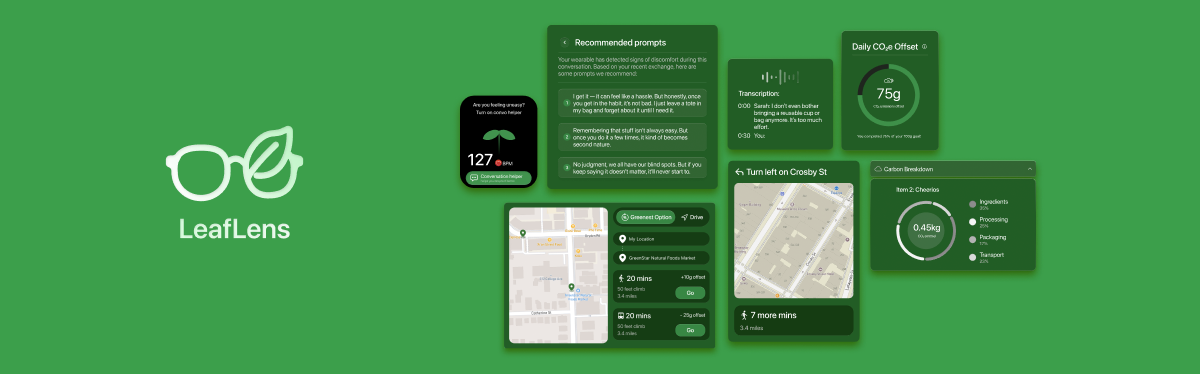
LeafLens: 1st place @ Figma Designathon
Context
Context
FigBuild: Figma’s first campus design-a-thon
FigBuild is Figma’s first campus design-a-thon where over 2,000 students (200+ teams) across 8 college campuses spend a weekend collaborating, prototyping, and building bold ideas


THE STORY OF OLIVE
Olive’s Carbon Footprint Vision
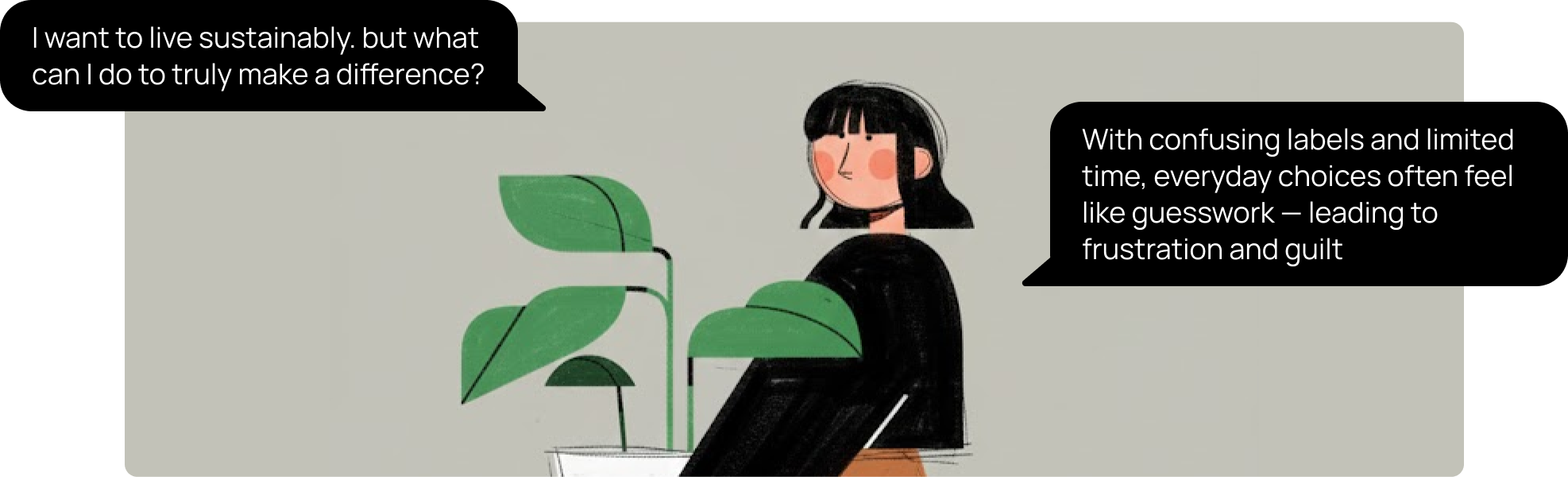
This is Olive, a 20 years old college student who cares about sustainability
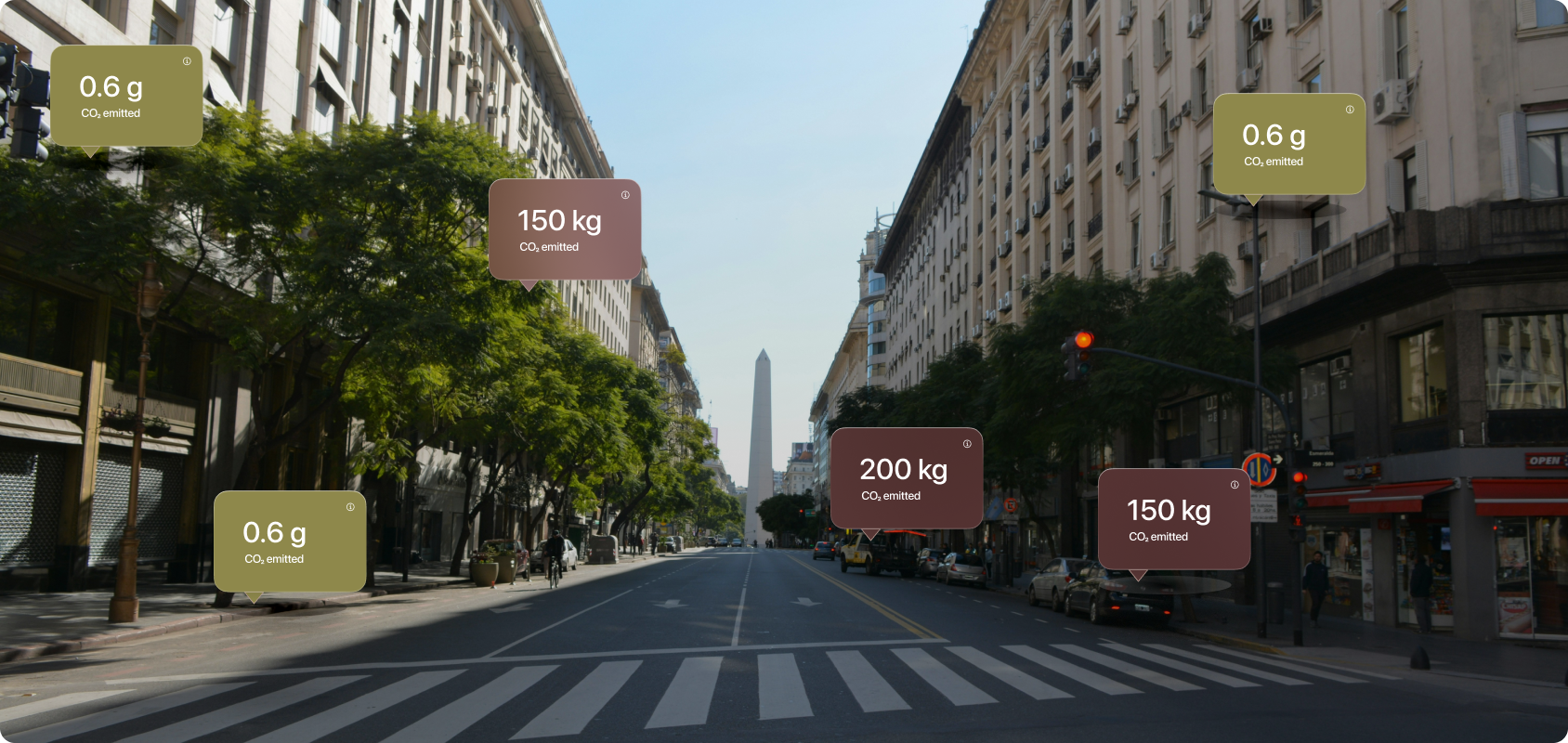
Olive’s superpower lets her instantly see the carbon footprint of everything around her — from the 200 kg emitted by her couch to the 1.8 kg CO₂e from driving to the store. It is like X-ray vision, but with a more environmentally friendly purpose.
Why this superpower matters

Everyday choices impact the planet, but most people can’t see their footprint.

88% want to live sustainably — but only 1 in 3 know how to take action.

The average American emits 4× the sustainable CO₂ target.

There’s no clear visibility — and you can’t act on what you can’t see.
Final designs
Final designs
A day in Olive’s life with LeafLens and CarbonCuff
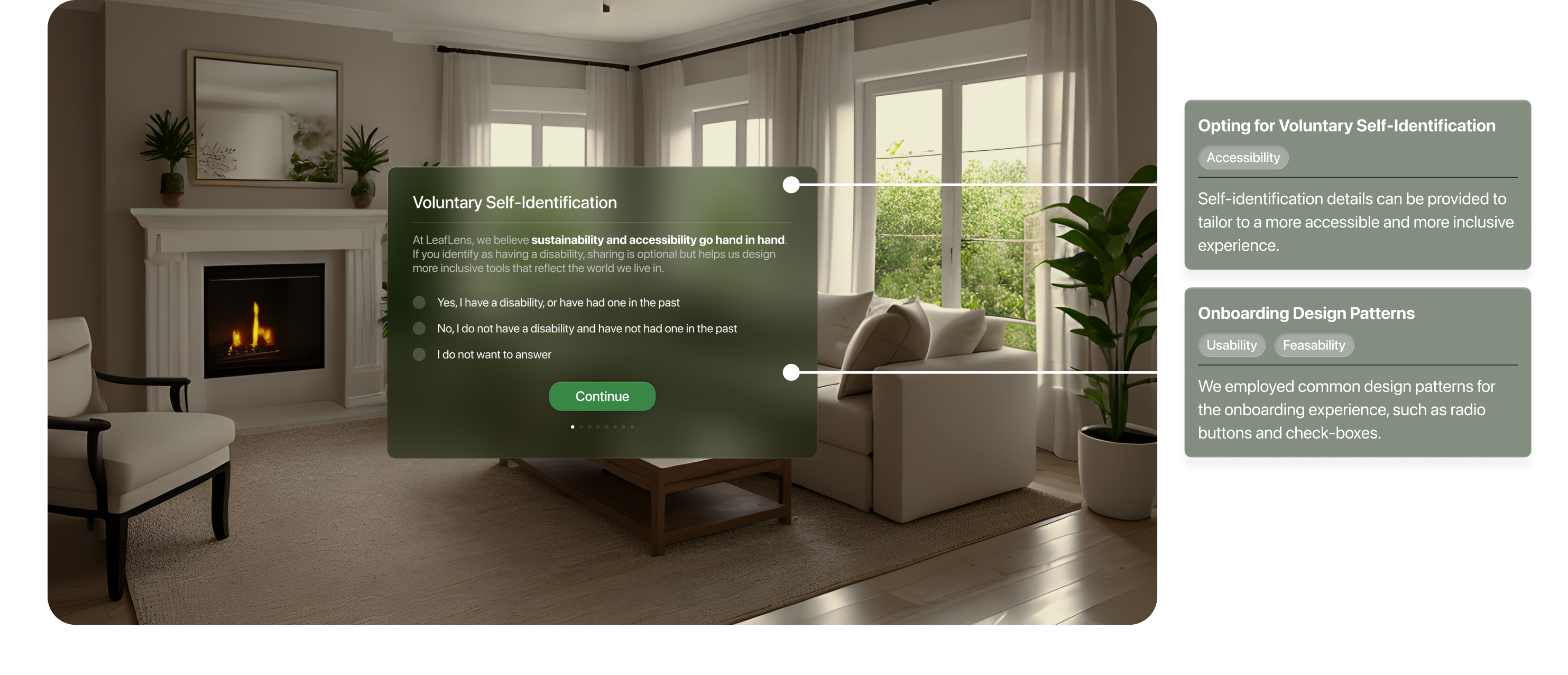
Onboarding
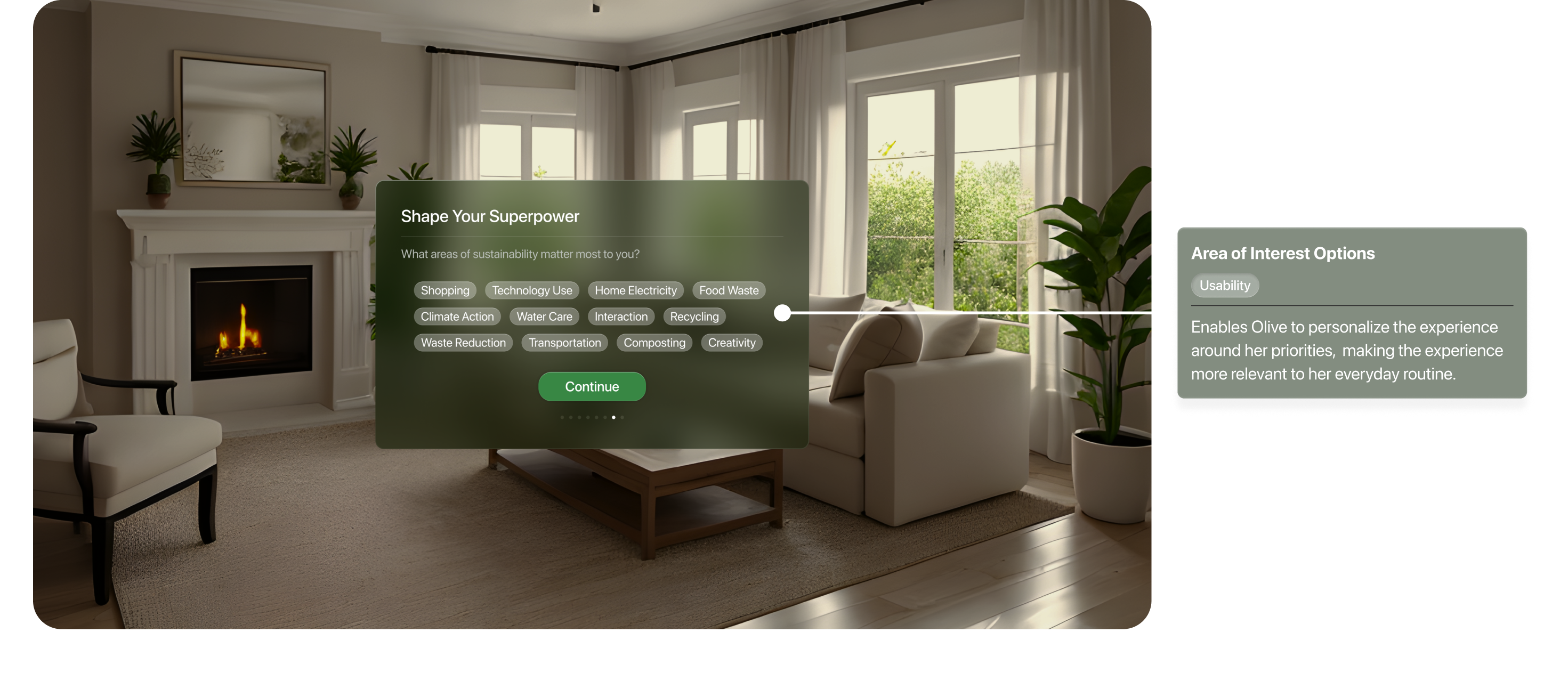
Olive goes through a series of onboarding steps with accessibility preferences and sustainability goals, so the system can better support her.
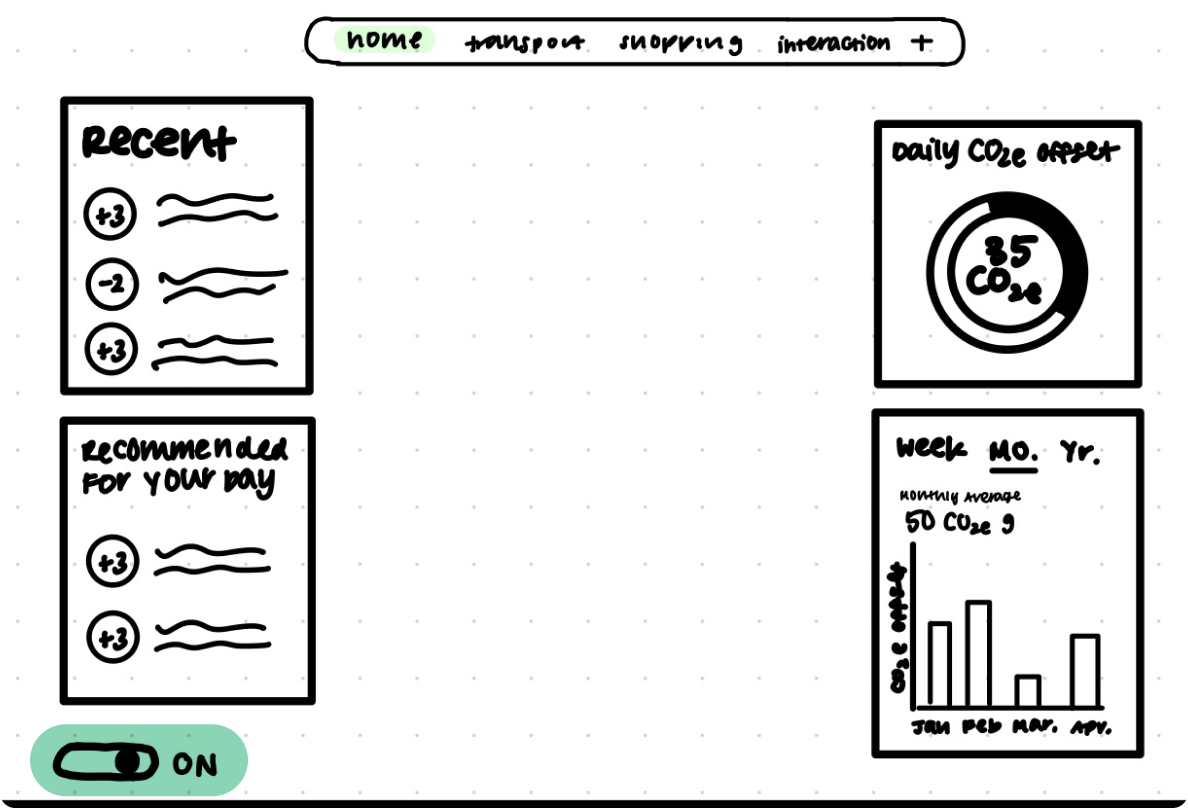
Dashboard
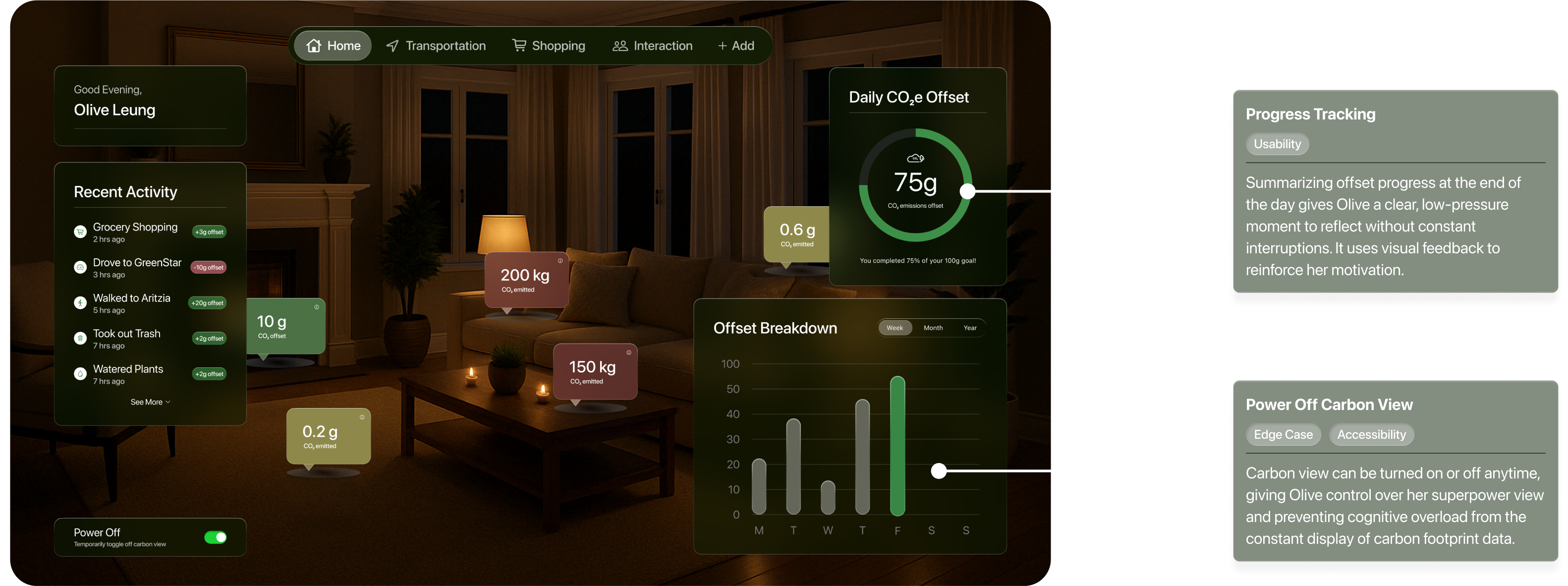
On the dashboard, Olive can see recommended activities to increase her CO₂ offset, along with her daily offset and a quick breakdown — all at a glance.
Item comparison & smart suggestion
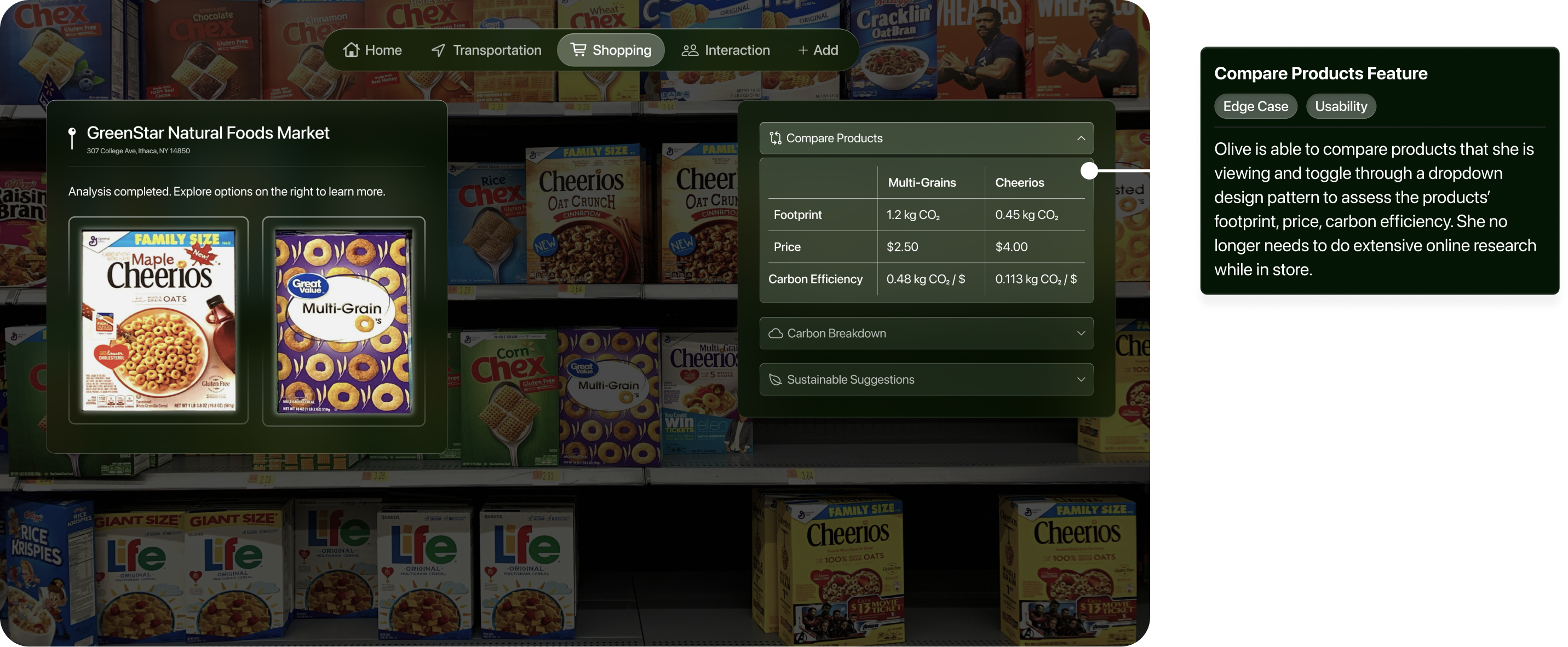
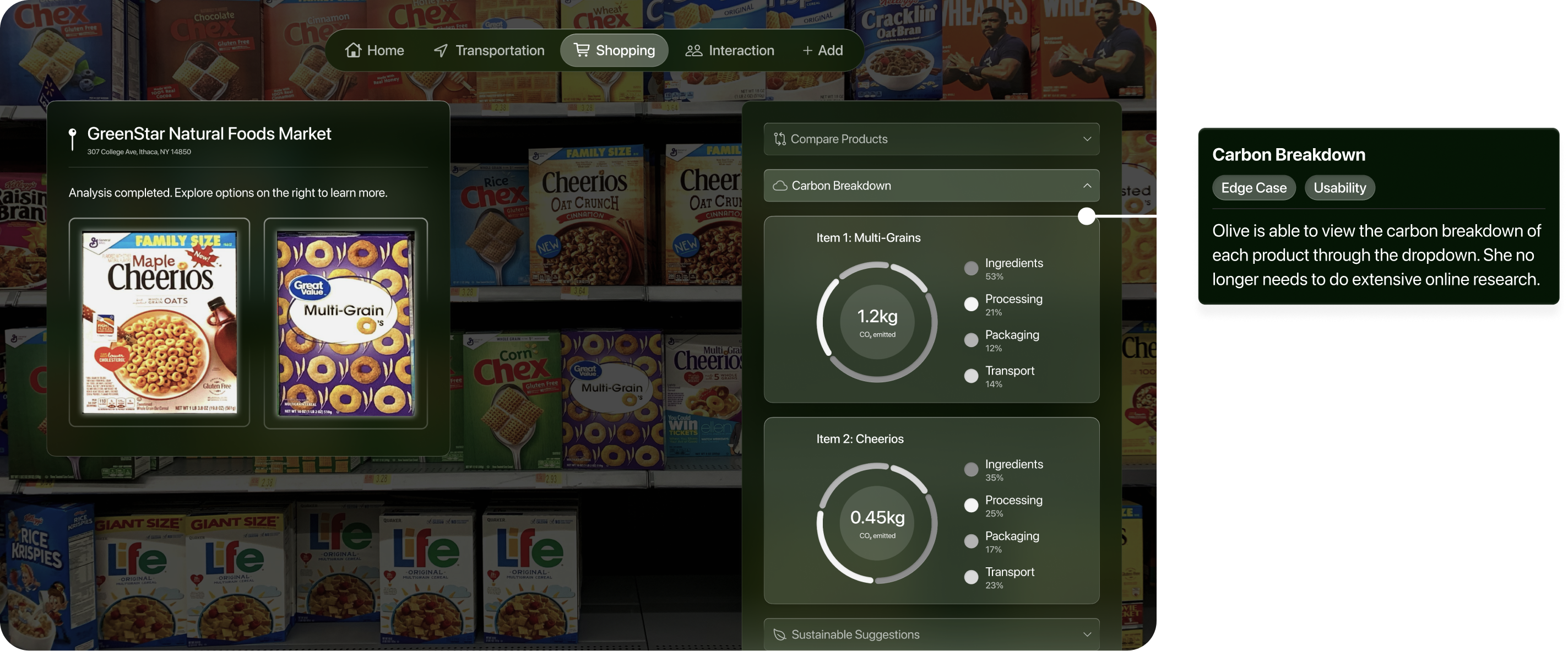
When Olive is shopping, she can compare the sustainability of different items on the shelf.
Item comparison & smart suggestion
When Olive shops online, LeafLens displays each item’s carbon footprint and offers more sustainable alternatives.
Transportation
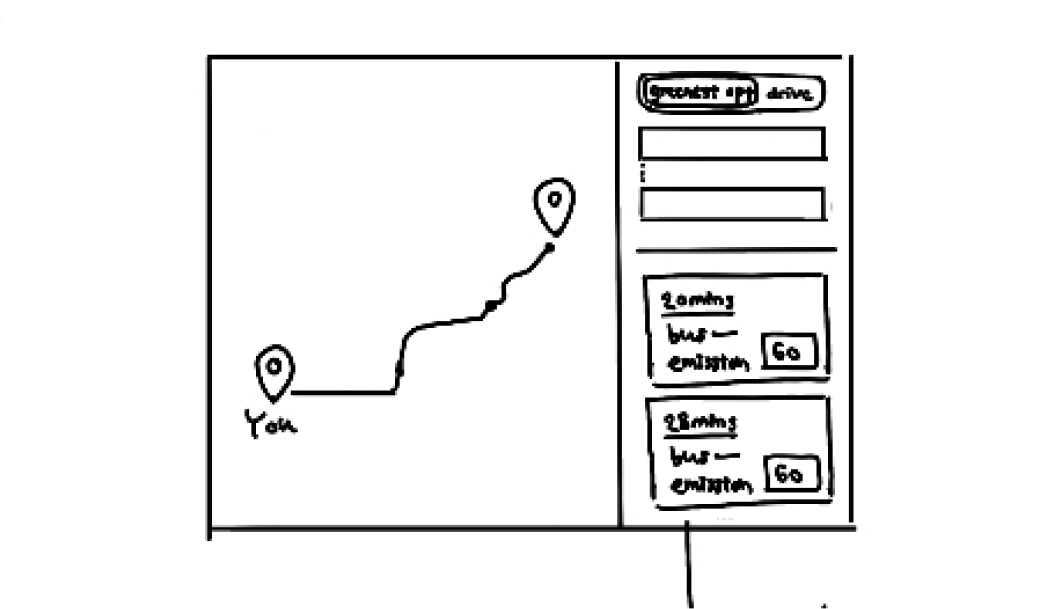
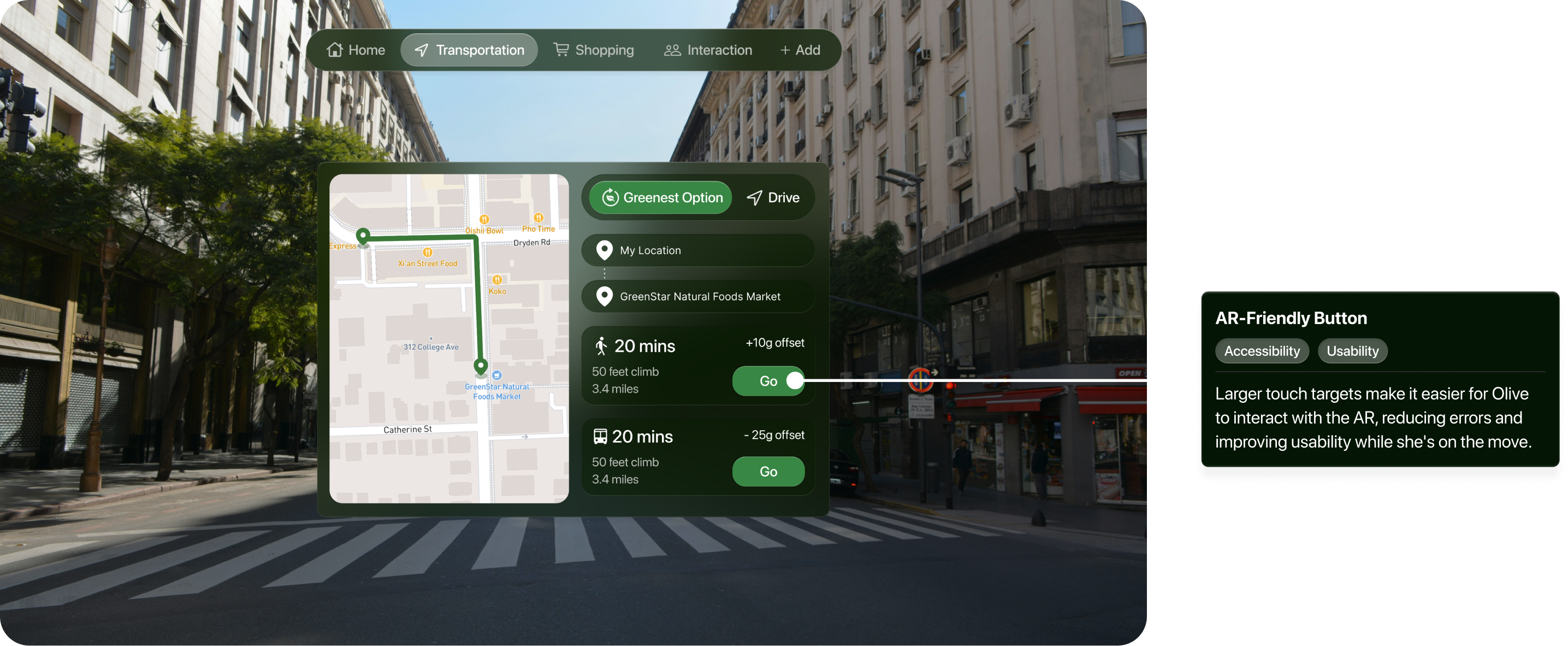
When Olive wants to navigate somewhere on foot, LeafLens provides AR-based walking directions to encourage a more sustainable mode of transportation.
Transportation: offset suggestion
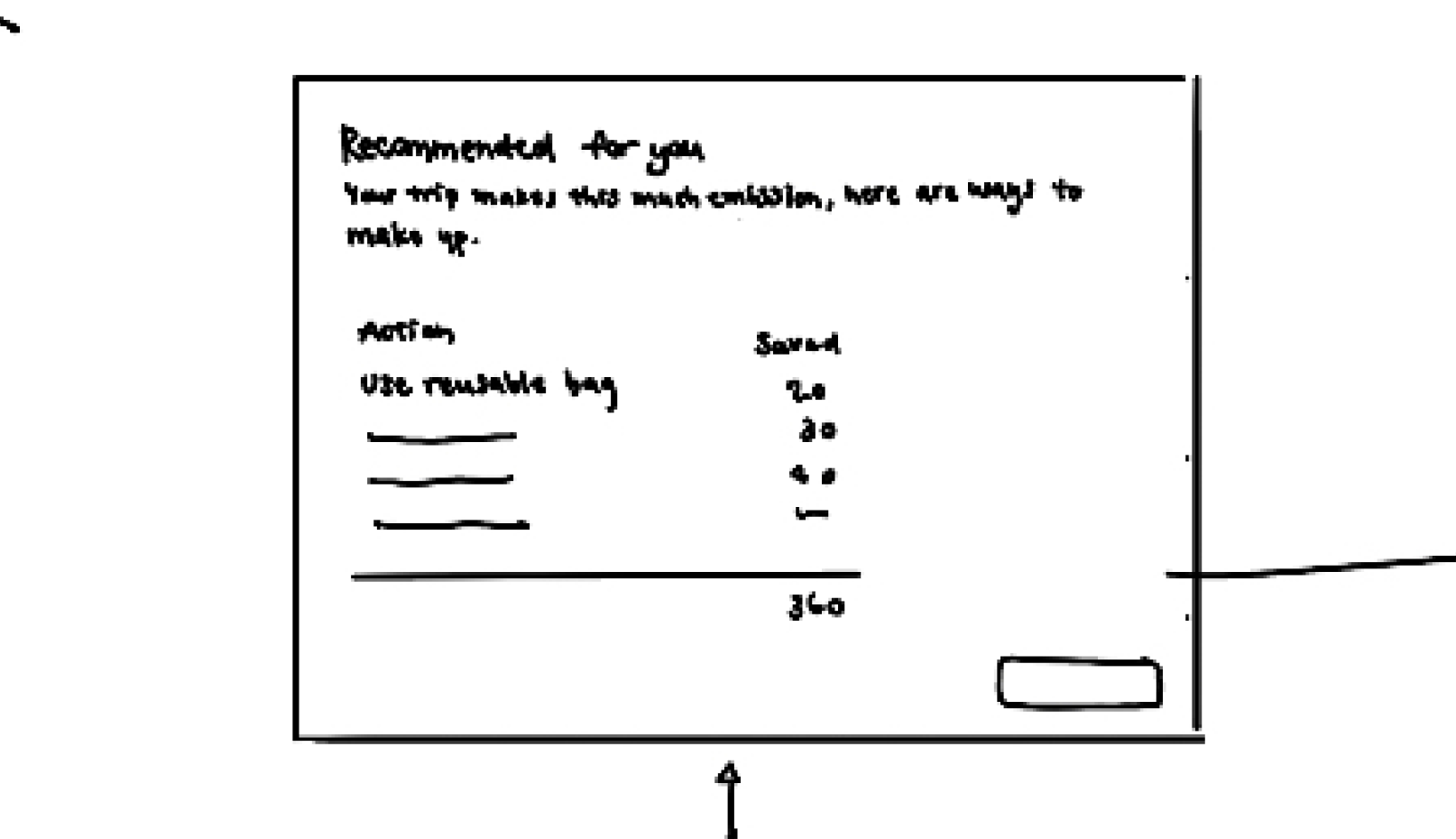
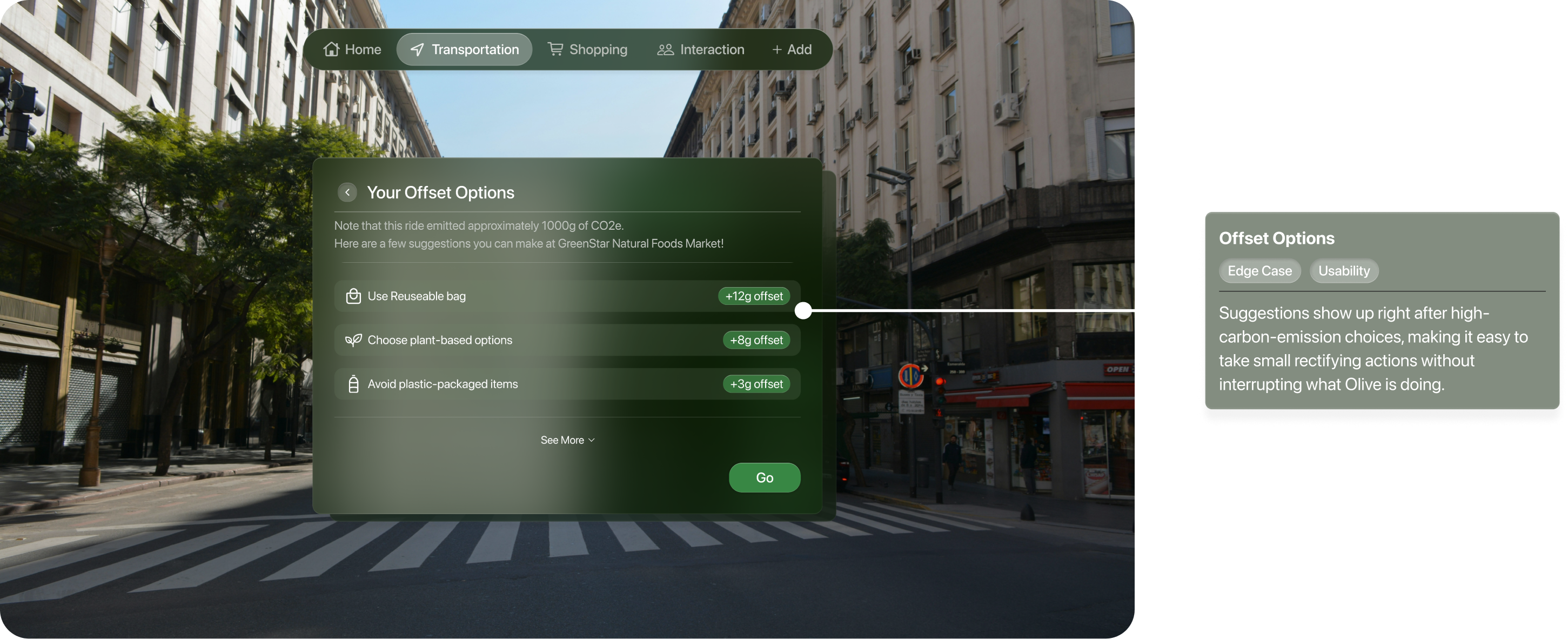
When Olive is in a hurry and decides to drive, LeafLens suggests green activities she can do to offset the carbon dioxide emitted from the trip.
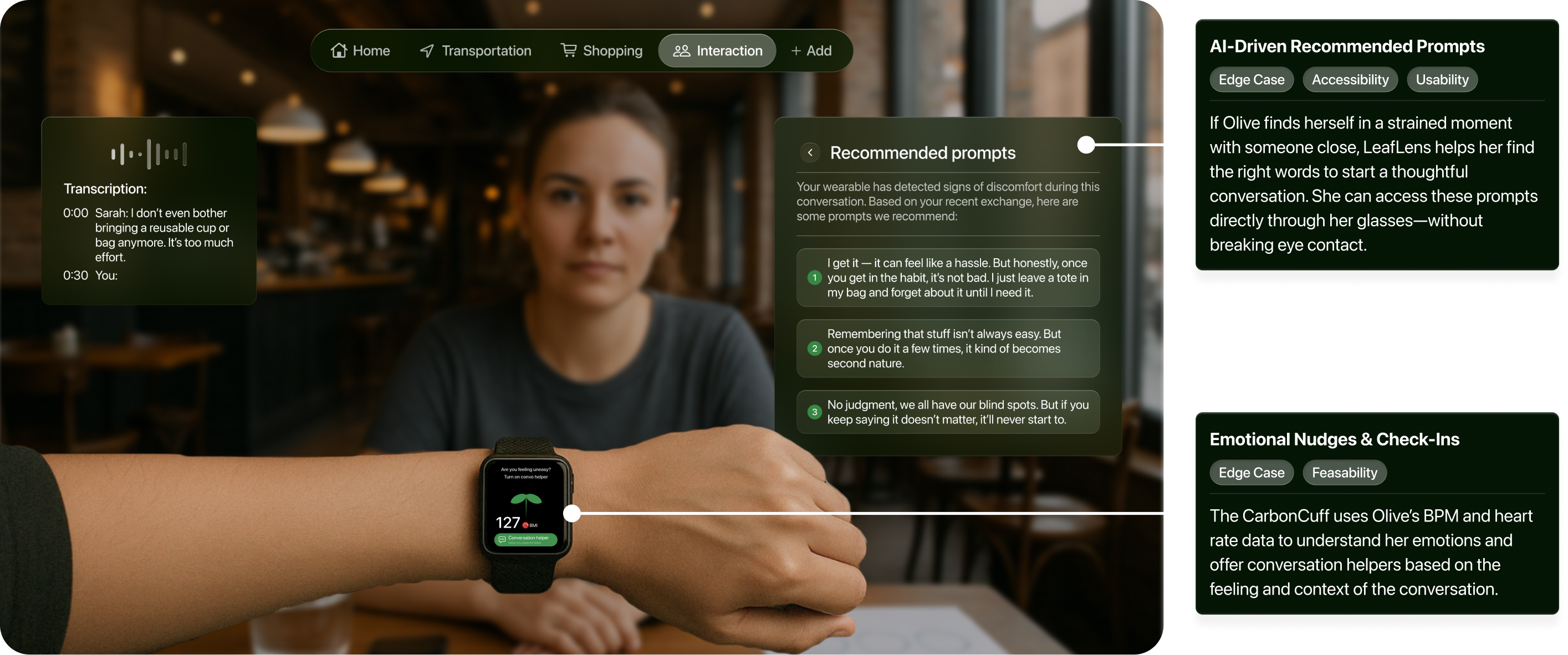
Conversation: relationship strain
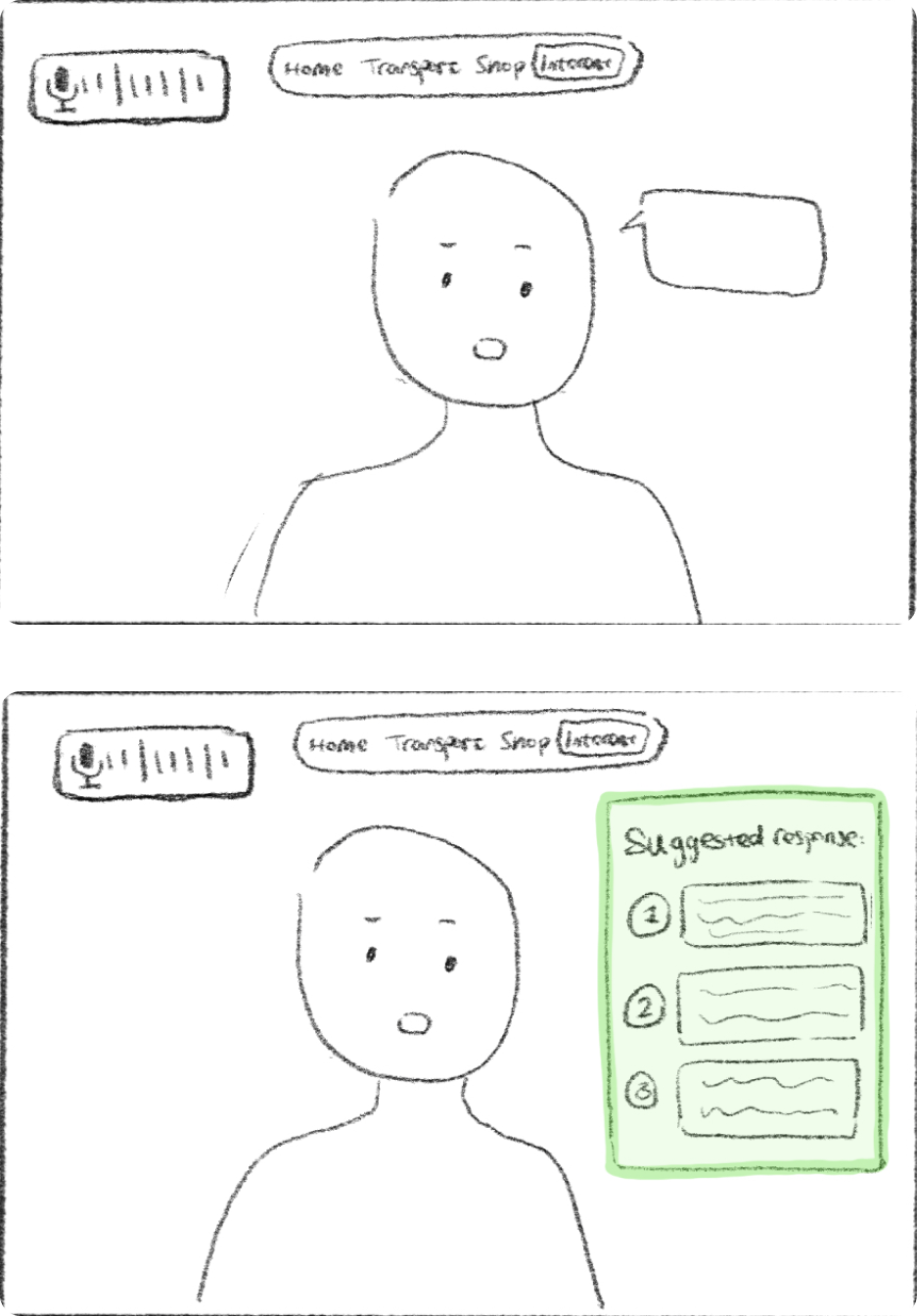
When Olive’s friend is not supportive about sustainability, CarbonCuff detects her stress and LeafLens offers respectful suggestions for what she can say.
Daily CO₂ offset
At the end of the day, Olive returns home and sees her daily carbon dioxide offset and a detailed breakdown on her dashboard.
Research
USER RESEARCH
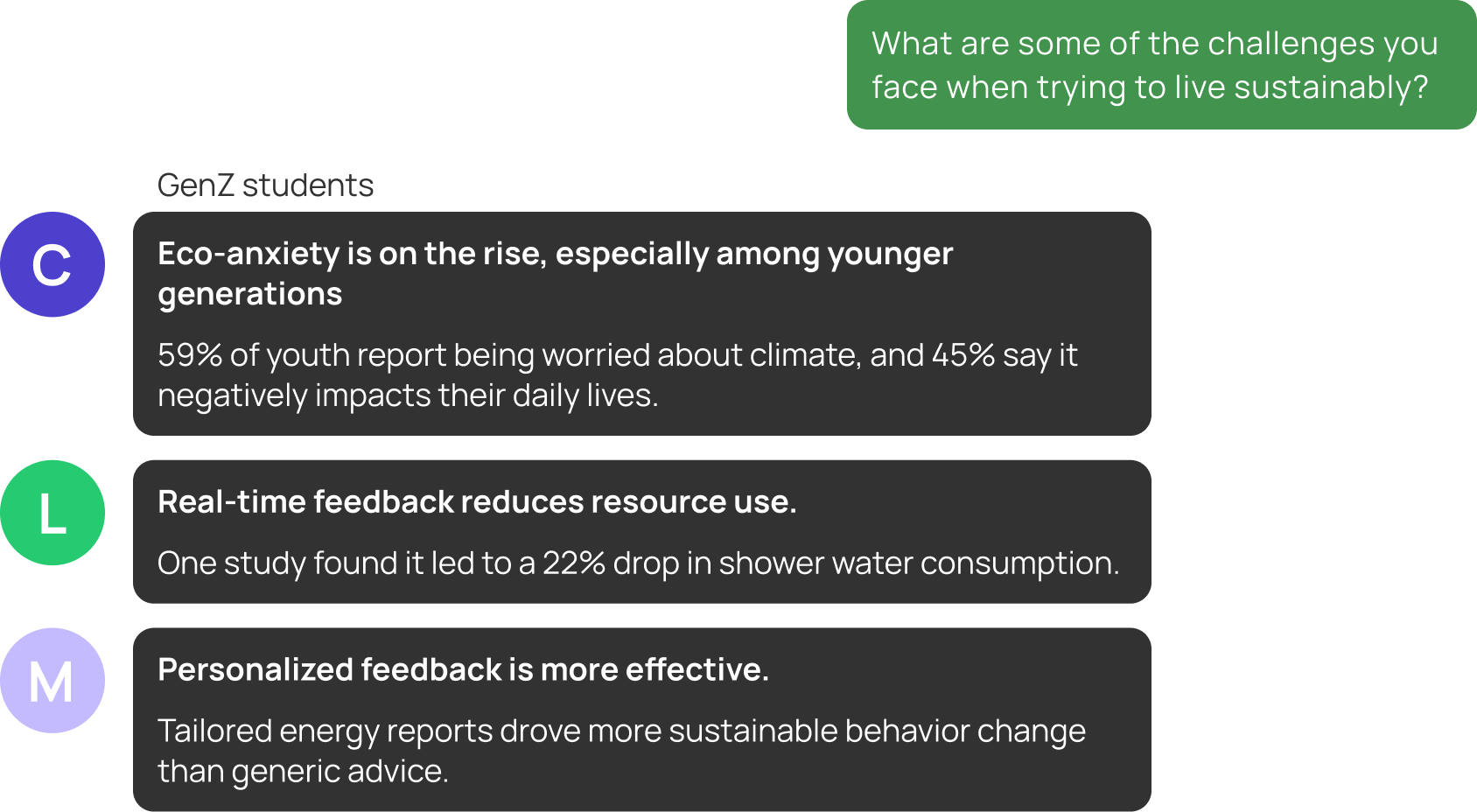
After 10 studies, 54 survey responses, and 12 interviews…
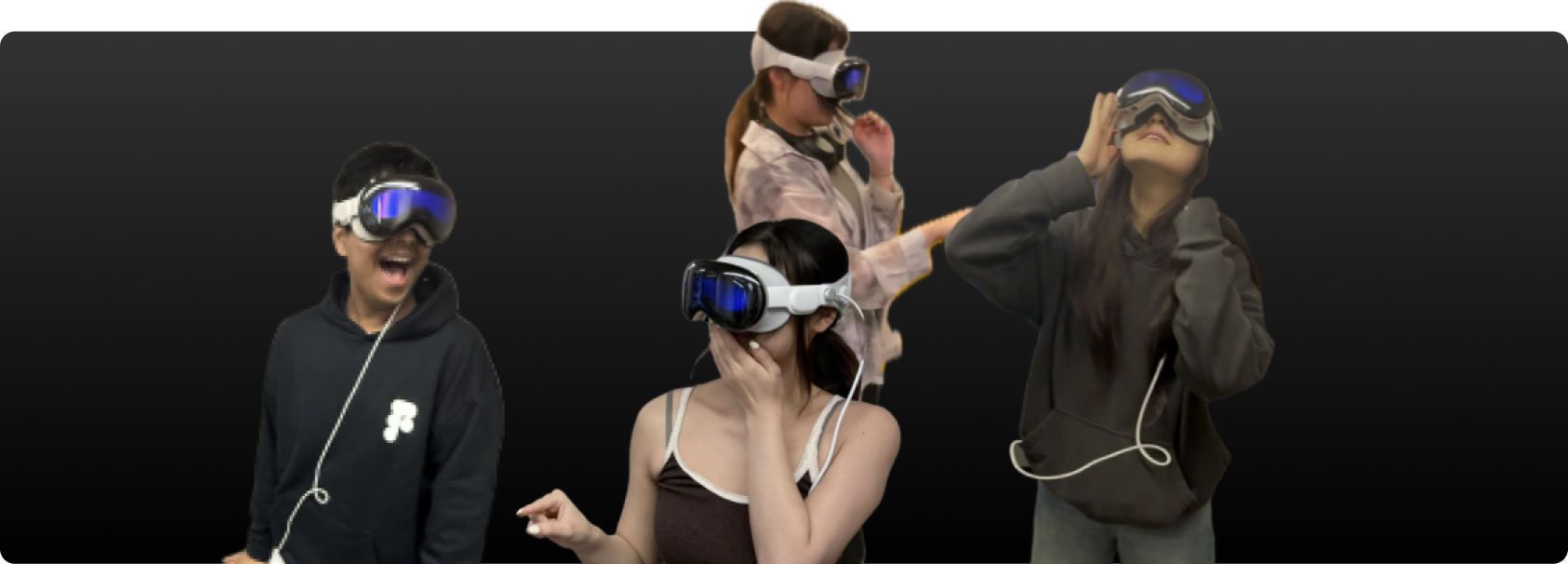
Product testing session
It was our first time designing for AR, so we partnered with the Cornell XR Club to test the Apple Vision Pro — learning by doing to validate feasibility and bring our ideas to life!
Ideations
Ideations
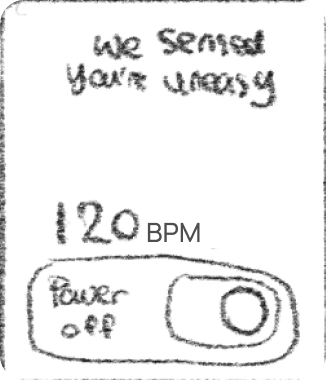
Super Power’s Edge Case: Cognitive overload
Constant awareness of carbon footprint can become overwhelming, especially in dense or high-consumption spaces such as grocery stores and airports.
Design solution: power-off toggle
LeafLens uses dynamic lens modulation to control how much sustainability data appears in real time. Power off mode works like electrochromic lenses—adjusting contrast and light filters to gently dim carbon footprint overlays without removing the glasses.
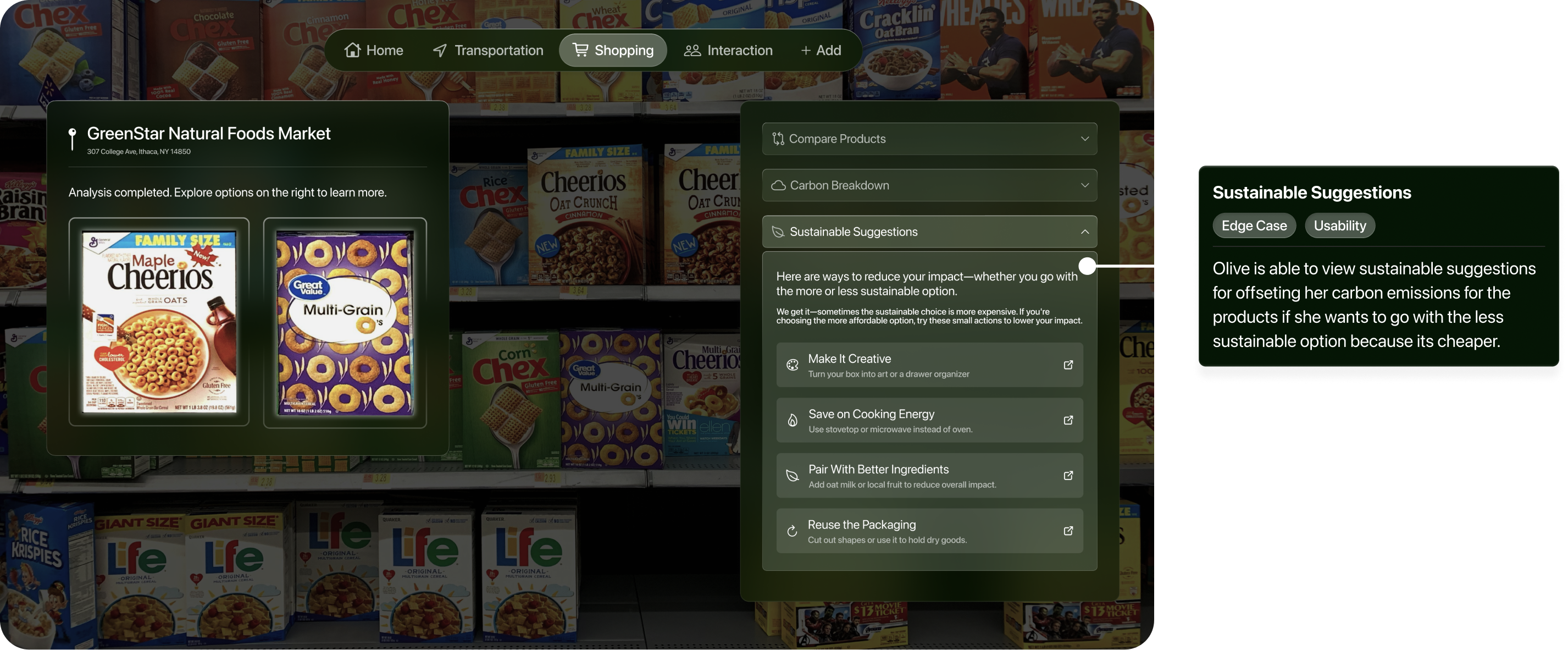
Super Power’s Edge Case: Cannot afford the Sustainable Option
The more sustainable product may be noticeably more expensive, making the lower-impact option difficult to choose and creating frustration or guilt.
Design solution: smart suggestions
LeafLens offers personalized ways to offset impact elsewhere when a less sustainable but more affordable product is chosen.
Edge Case: Relationship Strain in Sustainability Conversations
Conversations can get tense when close friends dismiss sustainability, leaving Olive caught between staying quiet and risking awkwardness.
Design solution: conversation helper
CarbonCuff detects a heart-rate spike and LeafLens offers gentle prompts to support respectful, real-time dialogue.
Design decisions
Design decisions
Olive’s Carbon Footprint Vision
Onboarding
Offset dashboard
Transportation
Conversation suggestion
Item comparison
Impact
Impact
1st place @ Figma Designathon
Reflections
Reflections
Our key takeaways

Designing for AR requires new thinking. We had to reimagine interaction, attention, and feedback in a spatial, real-time context.

Emotion matters as much as function. Sustainability tools must support users emotionally and meet them where they are.

Good solutions start with listening. User interviews and surveys guided every feature — from affordability support to burnout management.

We grew as designers, storytellers, and researchers. The process pushed us to connect data, behavior, and technology into a human-centered product.